
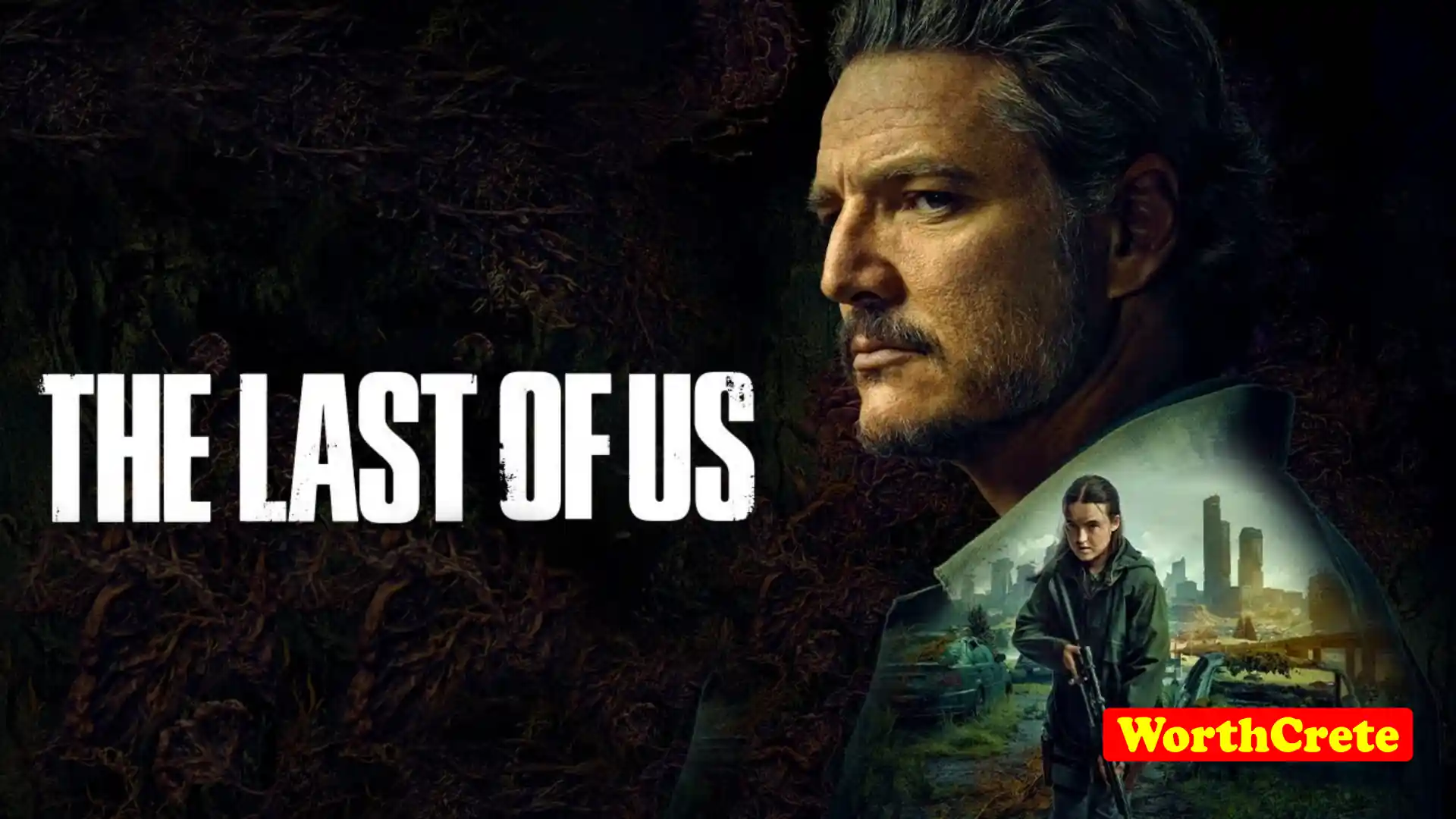
If you’re looking for a show that will grip you by the heart and refuse to let go, look no further than ‘The Last of Us’. This critically acclaimed HBO adaptation masterfully translates the beloved video game into a powerful television experience, proving that stories of survival can be profoundly human. What’s truly fascinating is how the TV series manages to feel both terrifyingly vast and intimately small, a delicate balance that sets the stage for an unforgettable journey.
The plot of the TV series begins with a devastating fungal outbreak that decimates modern civilization, collapsing society into isolated quarantine zones and lawless wilderness. Twenty years later, we meet Joel, a hardened smuggler worn down by loss, who is tasked with a seemingly simple job: escort a teenage girl named Ellie across the country. The TV series storyline cleverly uses this cross-country trek as a narrative backbone, allowing each episode to explore self-contained stories of hope, brutality, and the remnants of love in a broken world.
Their dynamic is the undeniable core, brought to life by a phenomenal TV series cast. Pedro Pascal embodies Joel’s weary resilience with a haunting depth, while Bella Ramsey’s Ellie is a brilliant mix of foul-mouthed bravado and vulnerable wonder. The series doesn’t shy away from the brutal violence of their reality, but these moments are never gratuitous; instead, they serve to highlight the stark contrast when moments of tenderness, humor, or breathtaking beauty unexpectedly break through.
Through their evolving relationship, the show asks piercing questions about what we cling to when everything is lost. Is it merely survival, or is it the connections that make survival worth the cost? Each encounter on their path—from a steadfast survivalist played by Nick Offerman in a stunning standalone episode to the chillingly serene rebel leader Marlene—adds another layer to this central theme, deepening our investment in every dangerous mile.
Ultimately, ‘The Last of Us’ succeeds because it understands that its clickers and infected are just the backdrop for a raw, character-driven saga. The final reason to watch is simple: it’s a masterpiece of emotional storytelling that will leave you breathless, heartbroken, and perhaps surprisingly hopeful. This isn’t just a story about the end of the world; it’s about the fragile, stubborn things that begin there.
The Last of Us – TV Series – Season 1 – Summary
If you’re looking for a post-apocalyptic story that trades pure zombie mayhem for profound human connection, then ‘The Last of Us’ is the TV series you’ve been waiting for. The adaptation instantly transcends its video game origins, introducing us to a shattered world and the gruff survivor, Joel, who is tasked with smuggling a teenage girl named Ellie across the country. What’s truly fascinating from the outset isn’t just the Cordyceps fungus pandemic, but the weary humanity etched into every frame; viewers are immediately drawn into a bond that feels fragile and real, setting the stage for an unforgettable journey.
The plot of this TV series is deceptively straightforward on its surface—a cross-country trek through infested quarantine zones and beautiful, overgrown ruins. Yet, the brilliance lies in how each episode uses this structure to explore self-contained stories of love, loss, and desperate survival. We meet characters who only appear for an hour but leave a lasting impact, revealing how the outbreak has twisted society into new, often terrifying shapes. The series doesn’t shy away from brutality, but it always serves the emotional core, making the moments of tenderness and unexpected humor hit even harder.
Central to everything are the phenomenal performances from the TV series cast, led by Pedro Pascal and Bella Ramsey. Pascal’s Joel is a masterpiece of subdued pain, a man operating on autopilot until this stubborn, witty kid forces him to feel again. Ramsey’s Ellie is a revelation—equal parts vulgar, curious, and heartbreakingly vulnerable, embodying a generation that knows only this broken world. Their evolving chemistry is the engine of the entire story, transforming a simple escort mission into something much deeper, a surrogate father-daughter dynamic that feels painfully earned.
Beyond the main TV series storyline, the show expands the world with remarkable depth. We get haunting glimpses into the early days of the outbreak and the devastating choices people made, adding layers of context that enrich Joel and Ellie’s present-day struggles. The production design is a character in itself, with nature reclaiming cities in eerily beautiful ways, and the clickers—the fungus-infected creatures—are rendered with a visceral, sound-design-led horror that’s utterly terrifying. It’s a world that feels lived-in and real, making every danger and every moment of peace tangible.
Ultimately, ‘The Last of Us’ succeeds not as a faithful adaptation, but as a powerful piece of television in its own right. It asks difficult questions about what we cling to when civilization ends, and whether love or sheer survival is the greater act of rebellion. The first season delivers a complete and emotionally devastating arc that will stay with you long after the credits roll, proving that the best stories aren’t about the monsters we run from, but the people we choose to walk with. For that alone, it’s an essential watch.
The Last of Us – TV Series – Season 1 – Trailer

The Last of Us – TV Series – Season 2 – Summary
The much-anticipated return of ‘The Last of Us’ for its second season plunges us back into a world where the scars are just as deep as the first outbreak’s wounds. Picking up after the devastating events in Salt Lake City, the TV series immediately shifts its focus to the simmering tension between a grief-stricken Joel and an Ellie who is hardening under the weight of his lie. What’s truly fascinating here is how the show holds a mirror to their fractured bond, proving that the most dangerous threats aren’t always the infected, but the secrets festering between people who love each other.
Viewers are immediately drawn into a new, rain-soaked setting as the plot of the TV series expands to introduce a crucial community from the games: the Washington Liberation Front in Seattle. This isn’t just new scenery; it’s a powder keg of ideology and revenge, masterfully fleshing out the world beyond Joel and Ellie’s journey. The narrative bravely splits its focus, weaving together the perspectives of our heartbroken heroes and their new adversaries, creating a rich tapestry of motive and pain that makes every confrontation feel tragically inevitable.
At the heart of this brewing storm are the stunning performances from the TV series cast, with Bella Ramsey delivering a transformative and haunting portrayal of an Ellie consumed by a need for retribution. Pedro Pascal masterfully shows a Joel who is grappling with the consequences of his choice, his protectiveness now shadowed by a palpable distance. The series doesn’t shy away from the moral murk, forcing us to question who we’re rooting for as the TV series storyline introduces compelling new characters whose own tragic tales are given profound weight and screen time.
This season deepens its exploration of the cycle of violence with a breathtaking and brutal intensity, asking whether any act of vengeance can ever truly bring peace. The infected remain a constant, terrifying backdrop, but the human conflicts are front and center, executed with a cinematic ferocity that will leave you breathless. The emotional stakes are monumental, challenging the very definition of survival and asking if some losses carve away parts of us that can never be regained.
To experience this chapter is to be put through an emotional wringer in the best possible way, a testament to the power of video game adaptations when handled with this much care and artistic vision. The TV series cements itself as a landmark in television storytelling, not just for its source material, but for its fearless commitment to character-driven drama in a shattered world. You’ll be thinking about its haunting questions and devastating moments long after the credits roll.
The Last of Us – TV Series – Season 2 – Trailer
